Managing your money can feel overwhelming, especially if you've never built a budget before. In this guide, you'll learn exactly how to create a budget from scratch, understand where your money is going, set realistic financial goals, and build habits that help you take control of your finances in 2026 and beyond. Whether you're living paycheck to paycheck or simply want to save more, this step-by-step breakdown will give you the foundation you need.
What Is a Budget and Why Does It Matter?
A budget is a plan that outlines how you intend to spend and save your money over a set period, usually a month. It's not about restricting yourself — it's about giving every dollar a purpose. Without a budget, it's easy to overspend without realizing it, miss savings opportunities, or fall into debt. In 2026, with rising costs of living and economic uncertainty, having a personal budget isn't optional — it's essential. A well-structured budget helps you cover your needs, enjoy your wants moderation, and steadily build wealth over time.

Step1: Calculate Your Total Monthly Income
The first step in building a budget is knowing exactly how much money comes in each month. Add up all sources of income, including your primary job, freelance work, side hustles, rental income, child support, or any government benefits. If income varies month to month, use a conservative average based on the last three to six months. Always work with your net income — that's your take-home pay after taxes and deductions — since that's the actual amount available for you to spend and save.
Step 2: Track and List Your Expenses
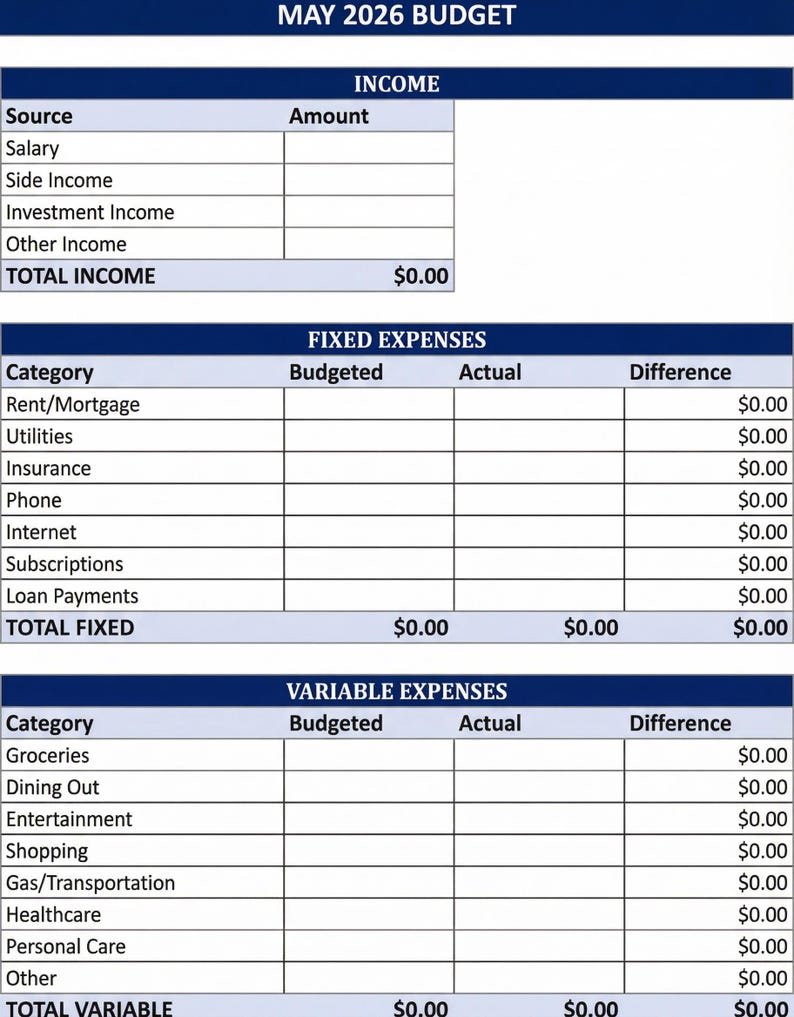
Before you can assign money to different categories, you need to know what you're currently spending. Go through your bank statements, credit card bills, and receipts from the past two to three months. Group expenses into two main categories: fixed expenses variable expenses. Fixed expenses are costs that stay the same every month, such as rent or mortgage payments, car loans, insurance premiums, and subscription services. Variable expenses change from month to month and include things like groceries, dining out, entertainment, clothing, and personal care. Don't forget to account for irregular expenses like car maintenance, medical bills, or annual subscriptions by dividing their annual cost by 12 and setting aside that amount monthly.
Step 3: Choose Budgeting Method That Works for You
There is no single budgeting method that works for everyone. The key is choosing one that fits your lifestyle and financial goals. Here are some of the most popular approaches used2026.
The50/30/20 Rule is one of the most widely recommended methods for beginners. You allocate 50 percent of your income to needs such as housing, utilities, and groceries. Then30 percent goes toward wants like dining out, hobbies, and entertainment. The remaining 20 percent is dedicated to savings and debt repayment. This method is simple easy to follow without getting into too much detail.
The Zero-Based Budget assigns single dollar a specific job You subtract from your income until you reach zero. This doesn't mean you spend everything it means you allocate all remaining money to savings or investments so nothing goes unaccounted for. This method requires more discipline but gives you the most control.Envelope Method involvesiding cash into physical digital envelopes labeled with spending categories. When an envelope is empty, you stop spending that category for month. This approach is especially effective for controlling variable like groceries and entertainment.
Step 4: Set Clear Realistic Financial Goals
A budget without goals is just a spreadsheet. Your goals are the reason you're budgeting in the first place. Goals be short-term, such as building an emergency fund with to six months of living expenses, paying off a credit card, or saving for a vacation. They can also be long-term, like saving for a down payment on a home, funding your retirement, or paying off student loans. Write goals down and assign a dollar amount and target date to each one This makes them concrete and gives budget real motivation behind it.

Step 5: Build Budget Using Template Tool
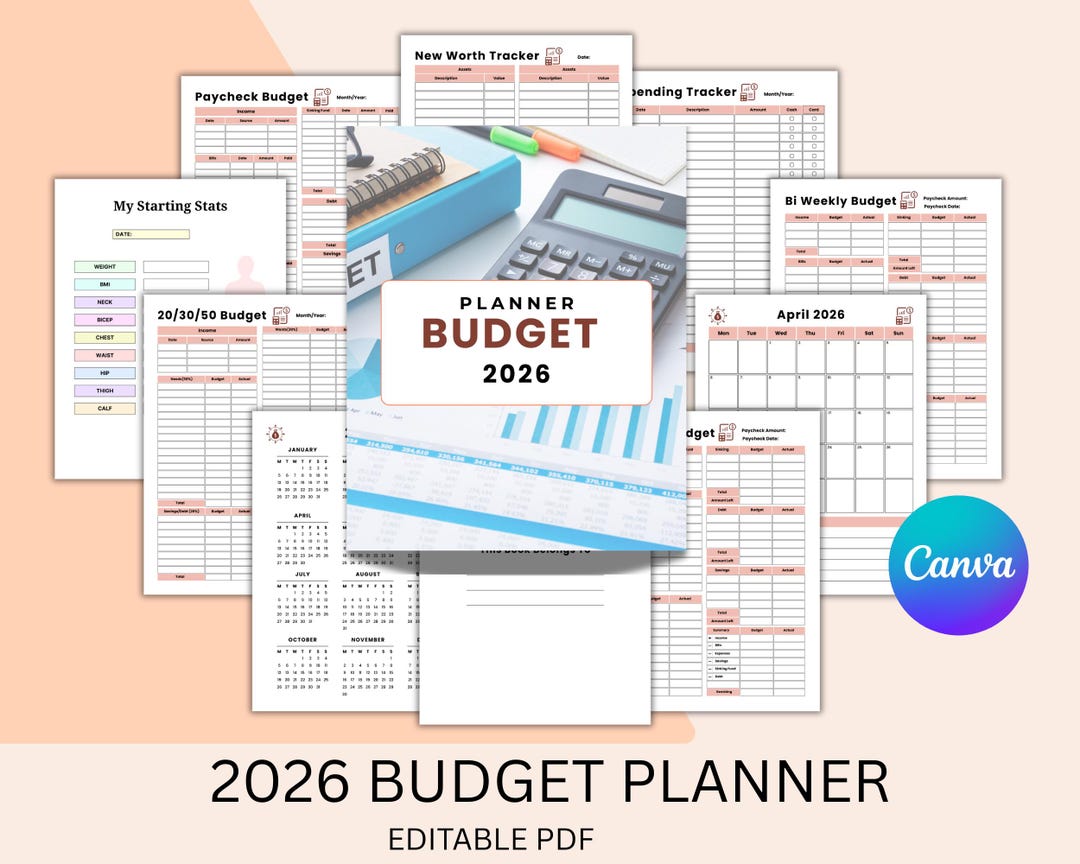
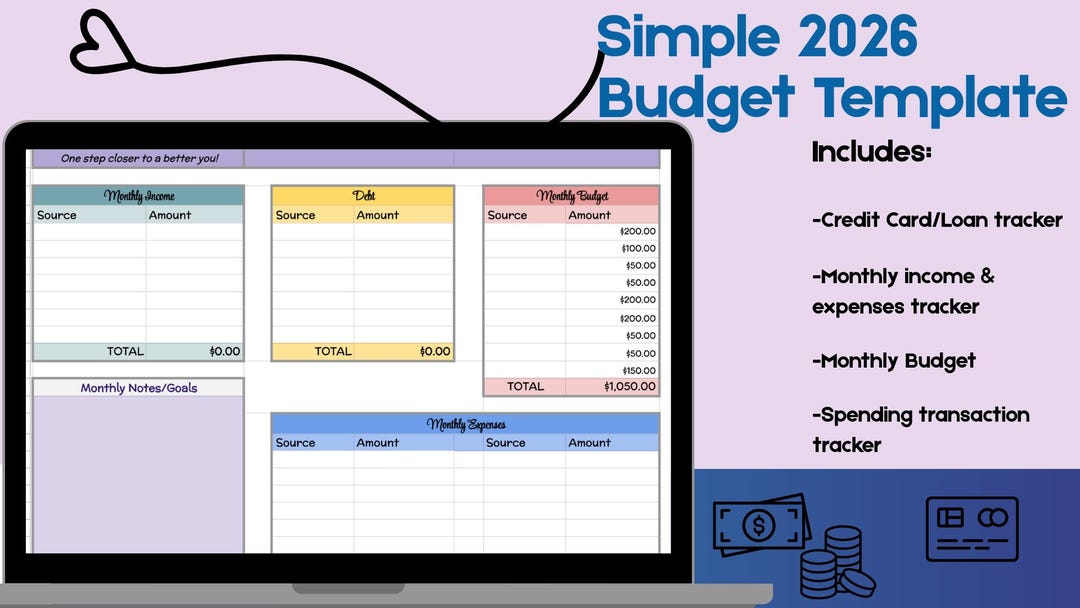
Once you have your income, expenses, and goals clearly defined, it's time to put all together. There are many tools available2026 to make this easier. You can use free spreadsheet templates Google Sheets or Microsoft Excel, budgeting apps like YNAB, Mint, or EveryDollar, or editable digital planners designed specifically for budgeting. Digital budget planners, including those editable in tools like Canva, have become increasingly popular because they allow you to personalize your budget layout while keeping it organized and visually appealing. Choose whatever format keeps you consistent and motivated check regularly.
Step 6: Review Budget Weekly AdjustCreating a budget is not a one-time task. Your situation will change, and your budget needs reflect that. Set aside time each week to review your spending and compare it against your budget categories. At the end of each month, do a full review. Ask yourself whether you stayed within your limits, which went over, and why Life changes as a new job, a move, a new baby, or an unexpected expense will require you to revisit and revise your budget. The goal is not perfection — it's progress. Being consistent and flexible at same time is what makes budgeting sustainable.
Step 7: Automate Your Savings and Bill Payments
One of the most effective ways to stick to a budget is to remove temptation of money before you save it. Set up automatic transfers your savings account on the same day paycheck arrives This strategy often called "paying yourself first," ensures saving becomes a non-negotiable part of your financial routine. Similarly, automating your recurring bill payments reduces the risk of late fees and helps you stay on top of your obligations without having to remember every due date. Automation takes the willpower out of the equation makes good behavior defaultCommongeting Mistakes to Avoid in 2026
Even with the best intentions, beginners often make mistakes derail their budgeting efforts. One of the most common is underestimating expenses. Many people forget to account for irregular costs like car repairs, medical co-pays, or holiday gifts. Always build buffer into your budget for the unexpected. Another mistake is setting unrealistic budget that's too restrictive. If you don't allow any room for enjoyment, likely to abandon your budget entirely. Budget for fun — just do it intentionally. Additionally, many beginners give up after one bad month. overspend doesn't mean your budget has failed. Treat it as data, adjust, and move forward
How to Stay Motivated and Build Lastingeting Habits
Sticking to a budget long-term requires than just discipline — it requires the right mindset and small daily habits. Celebrate wins, no matter how small. If you stayed under your grocery budget or hit milestone, acknowledge it. Consider finding a financial accountability partner, someone trust who also working toward financial goals. Sharing progress challenges keeps you honest and engaged Revisit your goals regularly to remind yourself of your "why." Whether it's buying home, becoming debt-free, or building generational wealth, keeping bigger picture in view short-term sacrifices feel worthwhile.
Conclusion
Creating a budget as a beginner in 2026 doesn't have to be complicated It starts with knowing your income, understanding your spending, choosing a budgeting method that suits your life, and setting goals that genuinely matter to you. From there, it's about consistency checking in regularly, adjusting as needed, and automating the habits that keep you on track. The most important step is the first one: starting. Your financial future is shaped by the decisions you make today, and a simple honest budget is the most powerful tool you have make those decisions count.
How To Make A February Budget In 2026 Without Tracking Every Dollar

How to Make a February Budget in 2026 Without Tracking Every Dollar ...
Editable 2026 Budget Planner Graphic By Tabiya Studio · Creative Fabrica

Editable 2026 Budget Planner Graphic by Tabiya Studio · Creative Fabrica
2026 Budget – Artofit

2026 budget – Artofit
2026 Budget Planner | 3 Pack | Beginner Friendly| Auto-calculate
2026 Budget Planner | 3 Pack | Beginner Friendly| Auto-calculate ...
How To Create A Realistic Budget For 2026

How to Create a Realistic Budget for 2026
The Only 3 Budgeting Rules Beginners Actually Need In 2026 - Global

The Only 3 Budgeting Rules Beginners Actually Need in 2026 - Global ...
2026 Budget Planner | Monthly Expense Tracker, Savings (canva Template
2026 Budget Planner | Monthly Expense Tracker, Savings (canva Template ...
How To Create A Simple & Effective Monthly Budget (2026 Step-by-Step

How to Create a Simple & Effective Monthly Budget (2026 Step-by-Step ...
SIMPLE 2026 Budget Template - Etsy
SIMPLE 2026 Budget Template - Etsy
How To Create A Budget That Actually Fits Your Lifestyle In 2026
How to Create a Budget That Actually Fits Your Lifestyle in 2026 ...
Beginner Budget Planner

Beginner Budget Planner
Ultimate 2026 Budget Sheets Bundle Canva Graphic By Mustafiz · Creative

Ultimate 2026 Budget Sheets Bundle Canva Graphic by Mustafiz · Creative ...
Budgeting For Beginners - How To Make A Budget From Scratch In 2026

Budgeting For Beginners - How To Make a Budget From Scratch in 2026 ...
Editable 2026 Budget & Finance Planner Graphic By Tabiya Studio

Editable 2026 Budget & Finance Planner Graphic by Tabiya Studio ...
2026 Budget – Artofit

2026 budget – Artofit
2026 Budget Planning For Small Businesses | USS Accounting
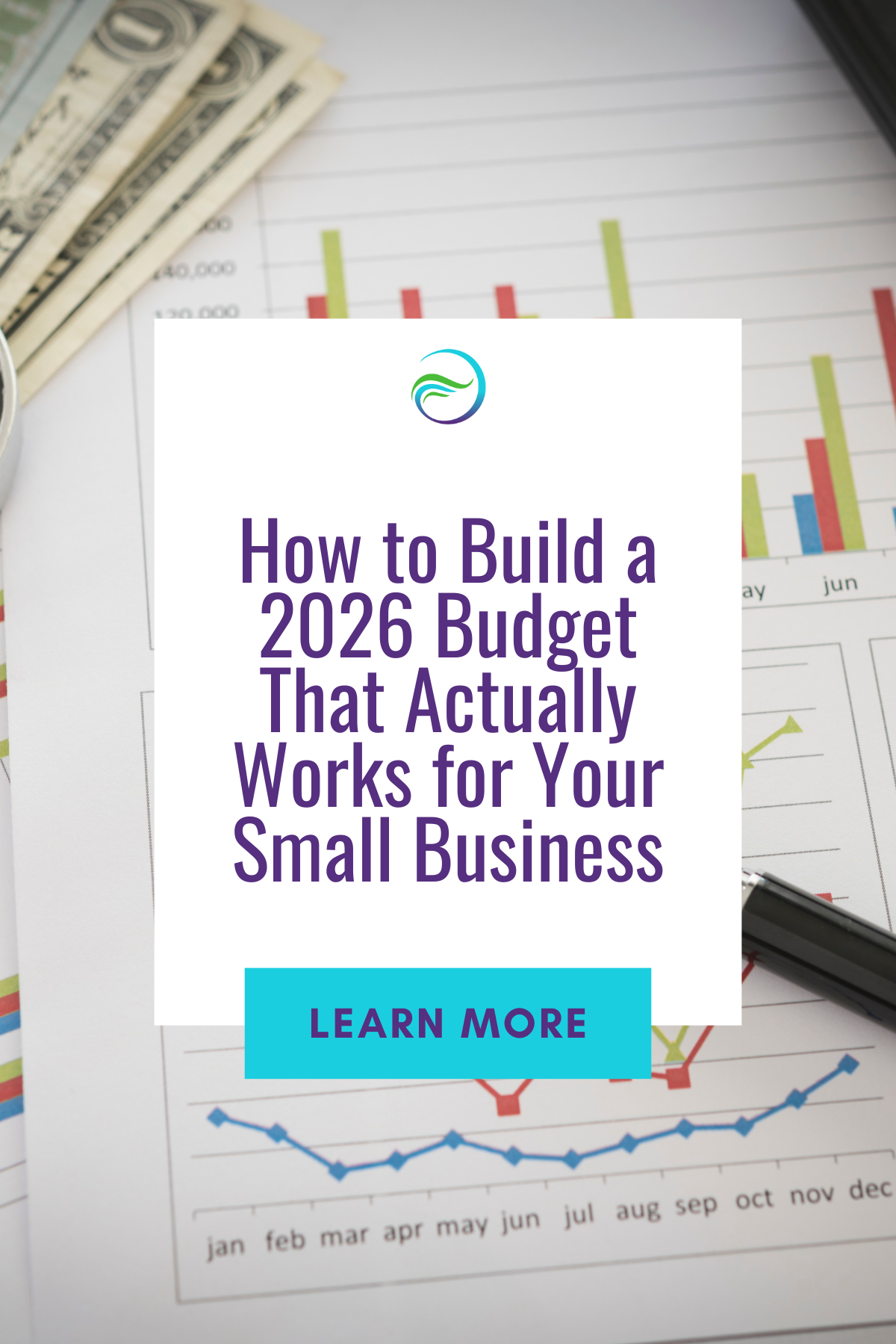
2026 Budget Planning for Small Businesses | USS Accounting
Budgeting 101: How To Create Your First Budget (2026) — Brightly Budget
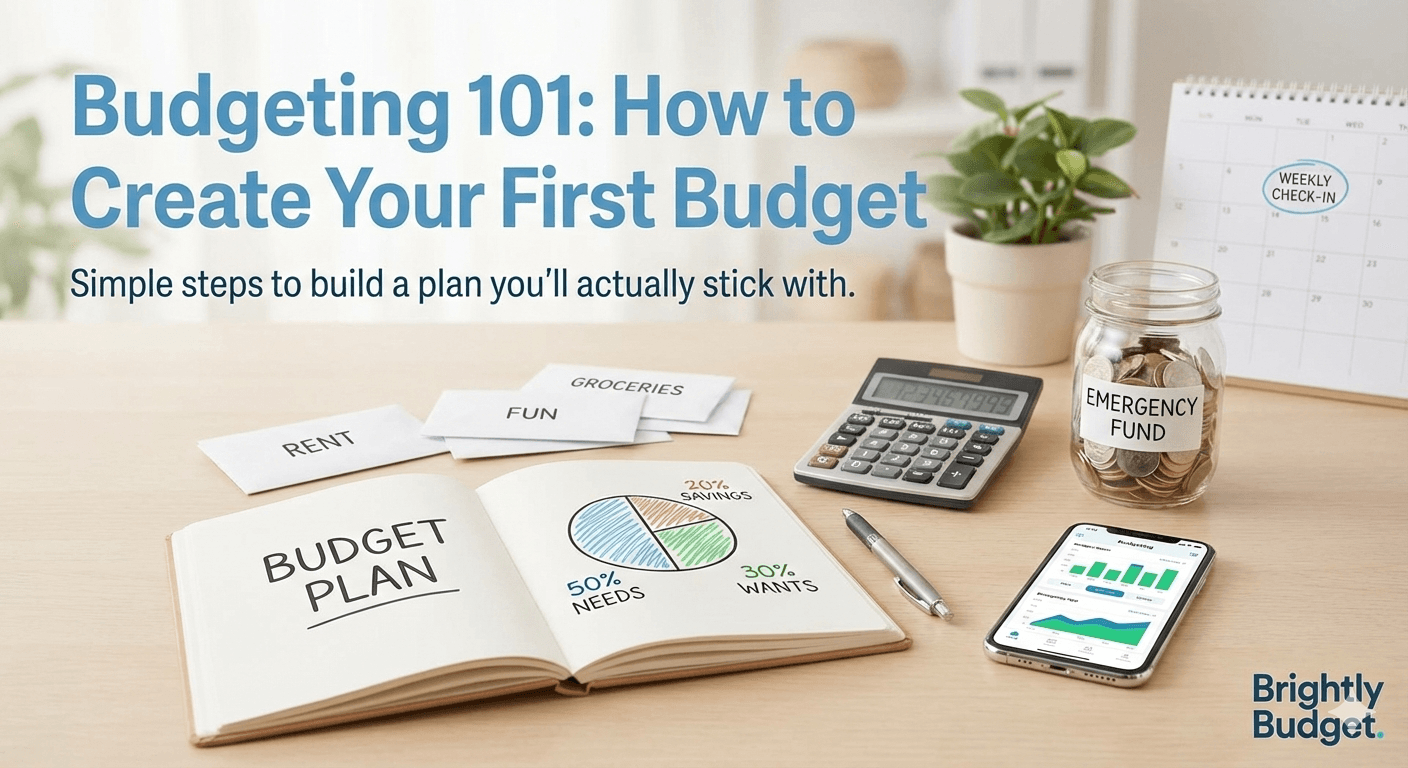
Budgeting 101: How to Create Your First Budget (2026) — Brightly Budget
Editable 2026 Budget & Finance Planner Graphic By KDP GALLERY

Editable 2026 Budget & Finance Planner Graphic by KDP GALLERY ...
2026 Budget Planner Printable | Simple Monthly Budget, Savings & Debt
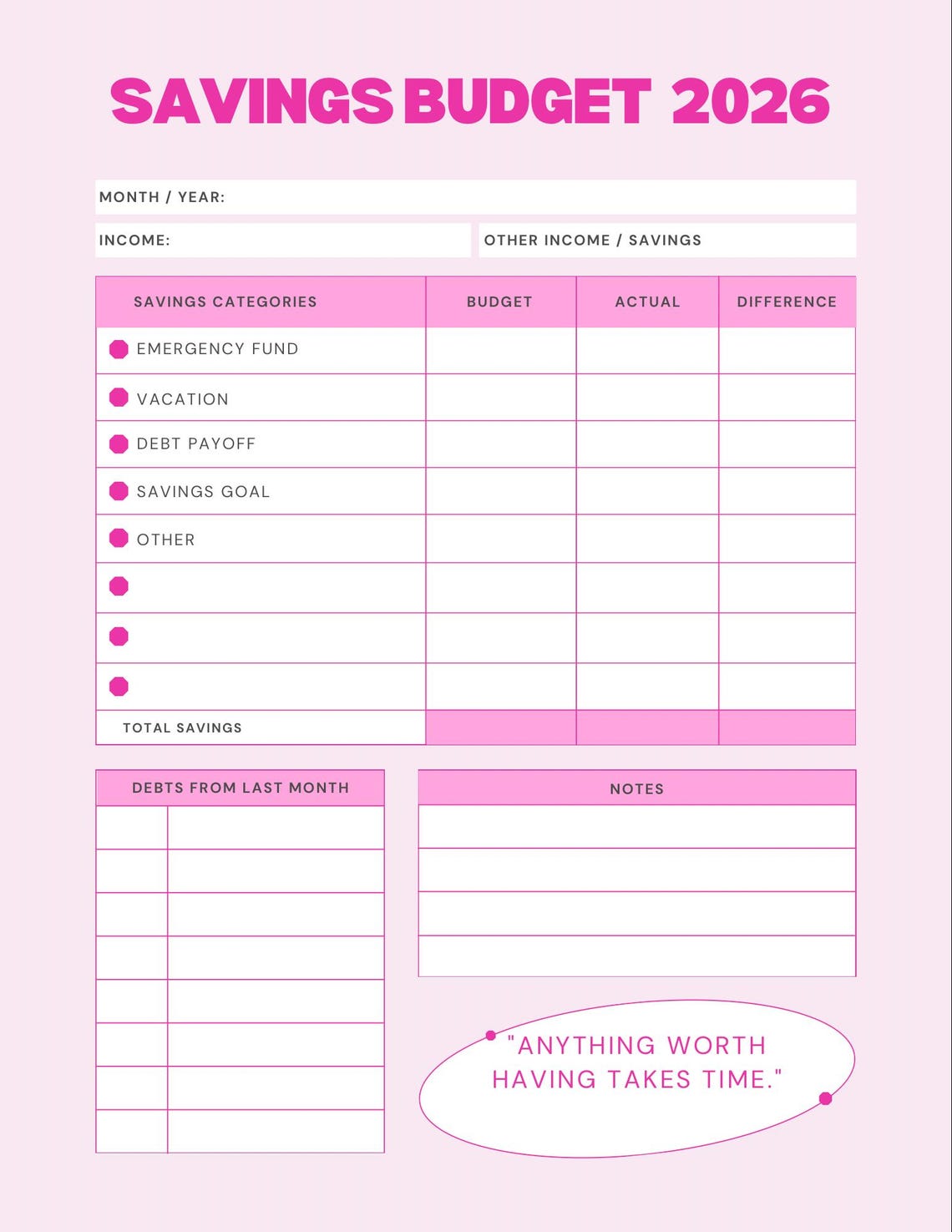
2026 Budget Planner Printable | Simple Monthly Budget, Savings & Debt ...
2026 Budget Planner. Printable Financial Organizer. Editable In Canva
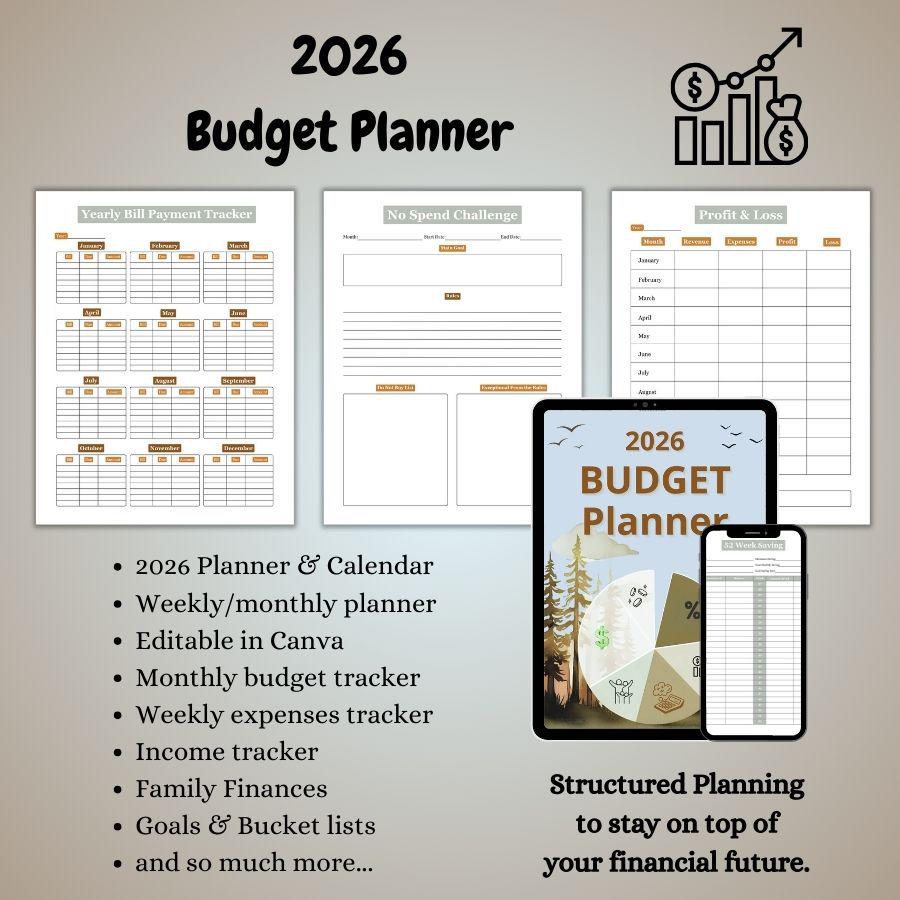
2026 Budget Planner. Printable Financial Organizer. Editable in Canva ...
2026 Budget Planner | 3 Pack | Beginner Friendly| Auto-calculate
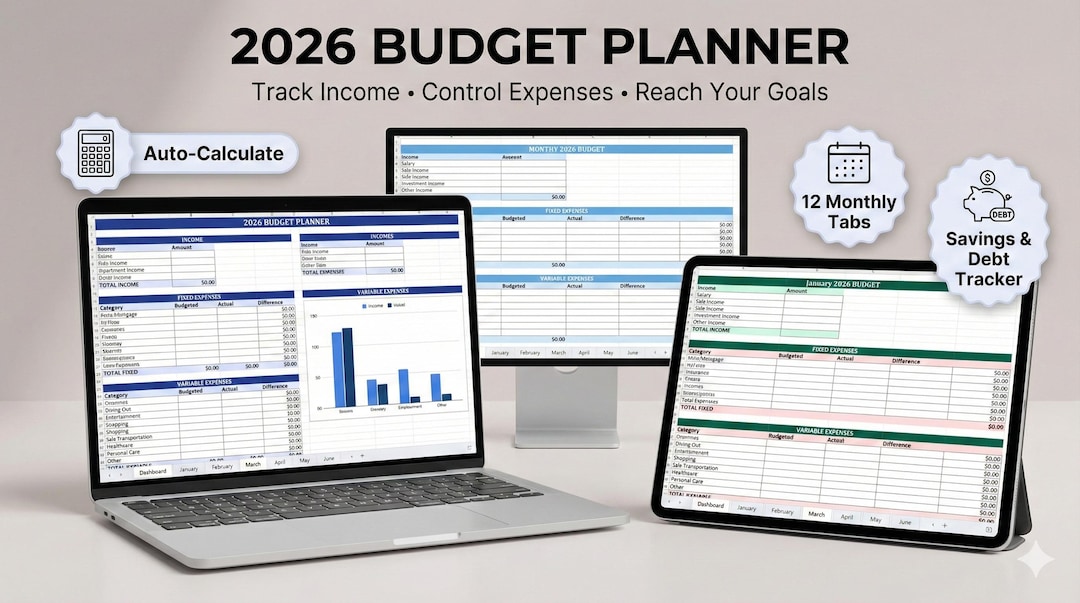
2026 Budget Planner | 3 Pack | Beginner Friendly| Auto-calculate ...
2026 Budget & Financial Planner Canva Template
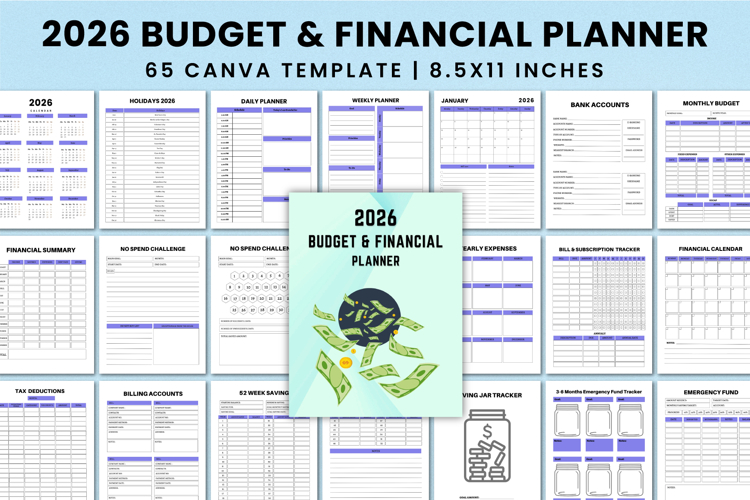
2026 Budget & Financial Planner Canva Template
How To Use Our Free Budget Template To Plan Your Money For 2026
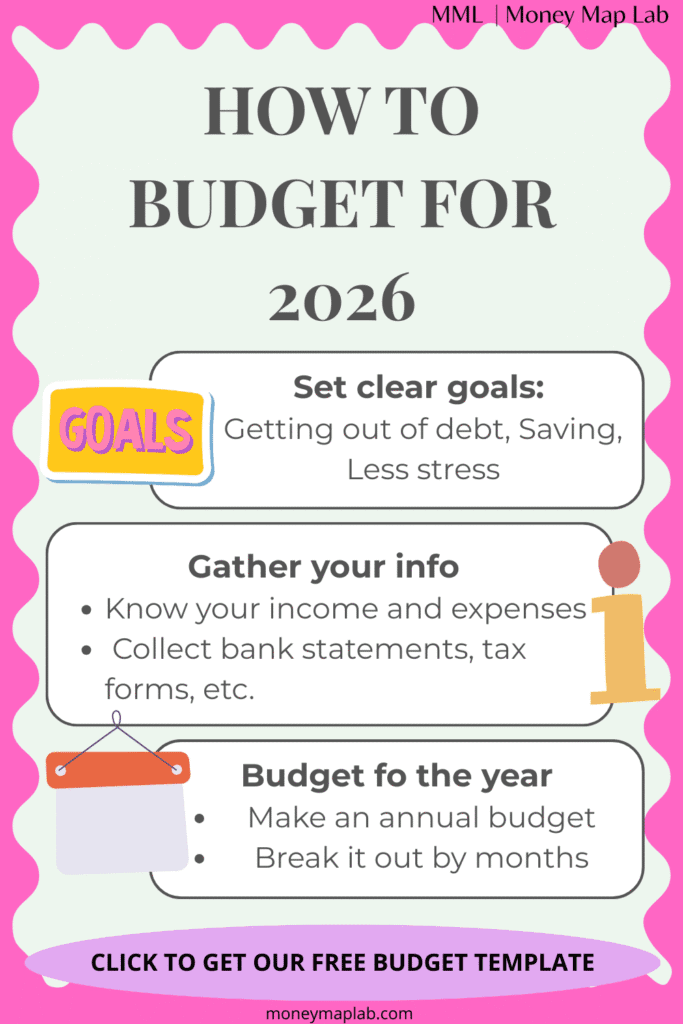
How to Use Our Free Budget Template to Plan Your Money for 2026
2026 Digital Budget Planner | Budget Blueprints
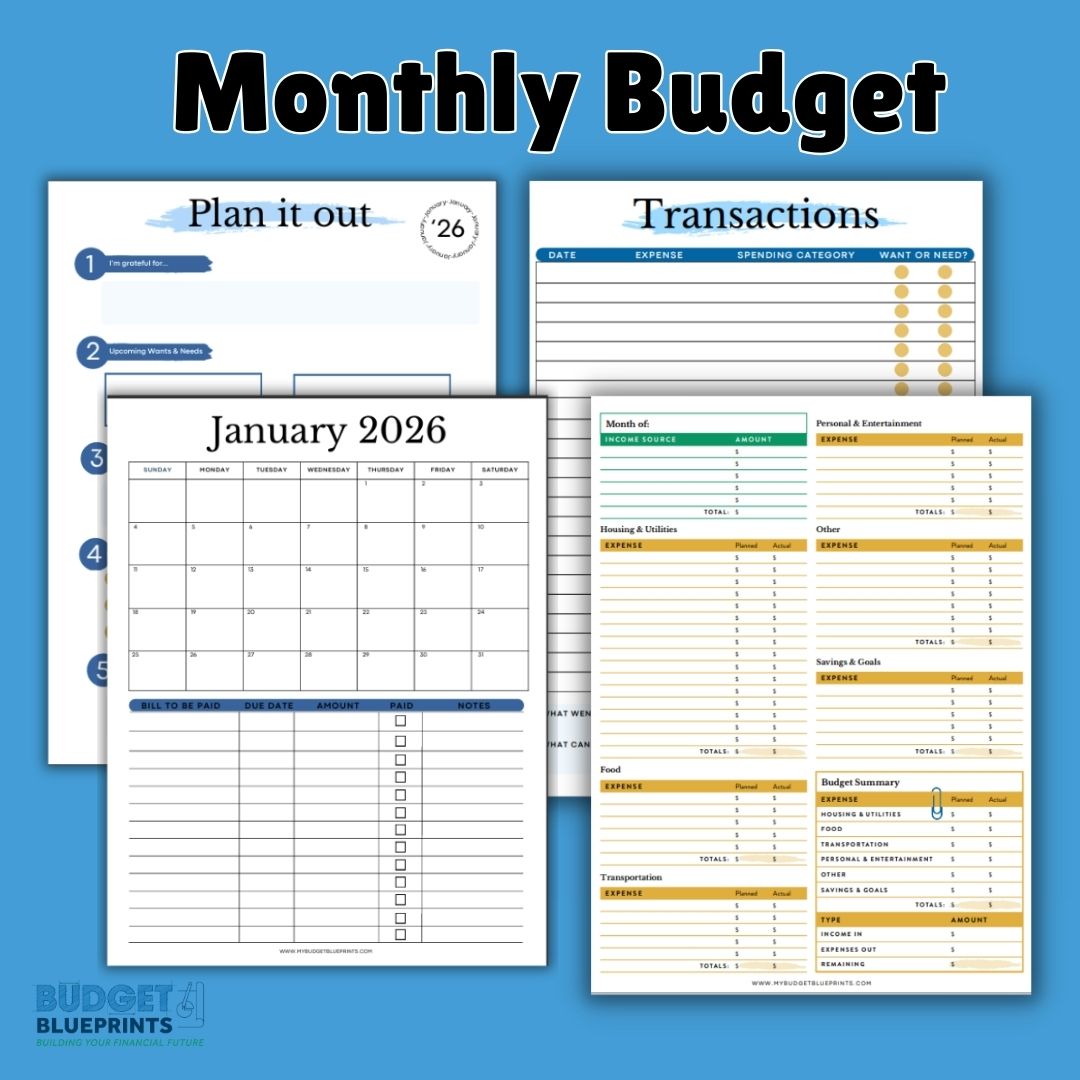
2026 Digital Budget Planner | Budget Blueprints
2026 Digital Budget Planner | Monthly Budgeting Workbook, Expense
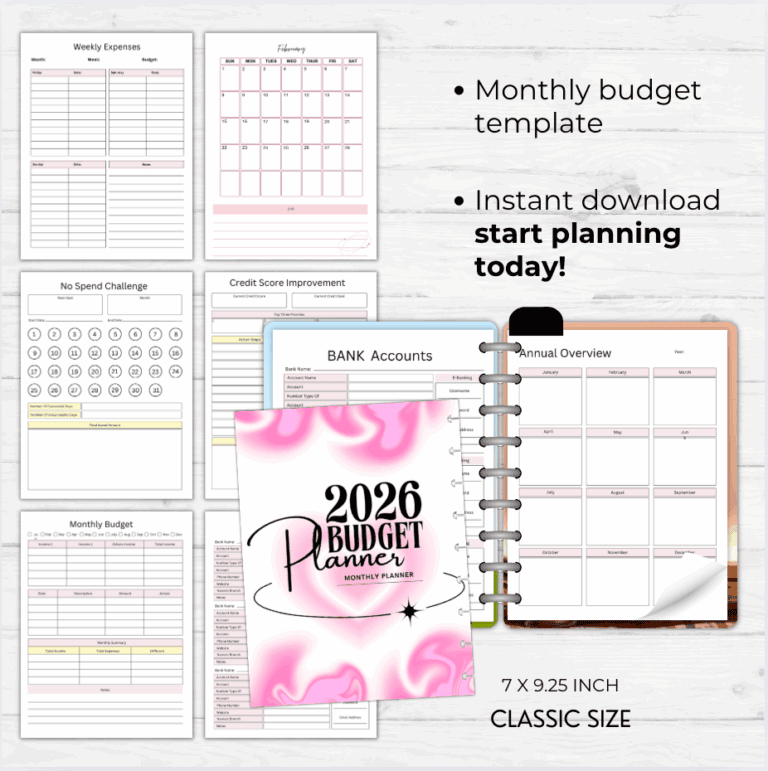
2026 Digital Budget Planner | Monthly Budgeting Workbook, Expense ...
Budgeting For Beginners: How To Start A Budget That Works (2026 Guide)

Budgeting for Beginners: How to Start a Budget That Works (2026 Guide)
Editable 2025-2026 Budget Planner

Editable 2025-2026 Budget Planner
How To Create A Budget Today (2026)
How to Create a Budget Today (2026)
2025-2026 Budget Planner For Canva Graphic By Shumaya · Creative Fabrica

2025-2026 Budget Planner for Canva Graphic by Shumaya · Creative Fabrica
2026 Financial Budget Planner
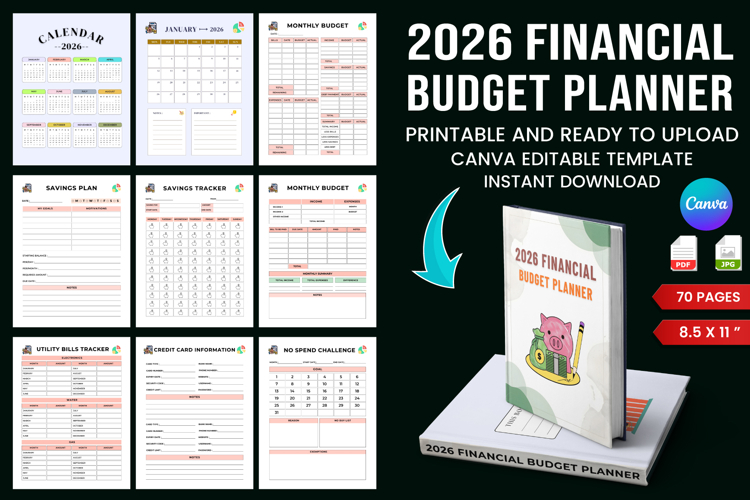
2026 Financial Budget Planner
2026 Simple Beginner Digital Budget Planner| Google Sheets Editable
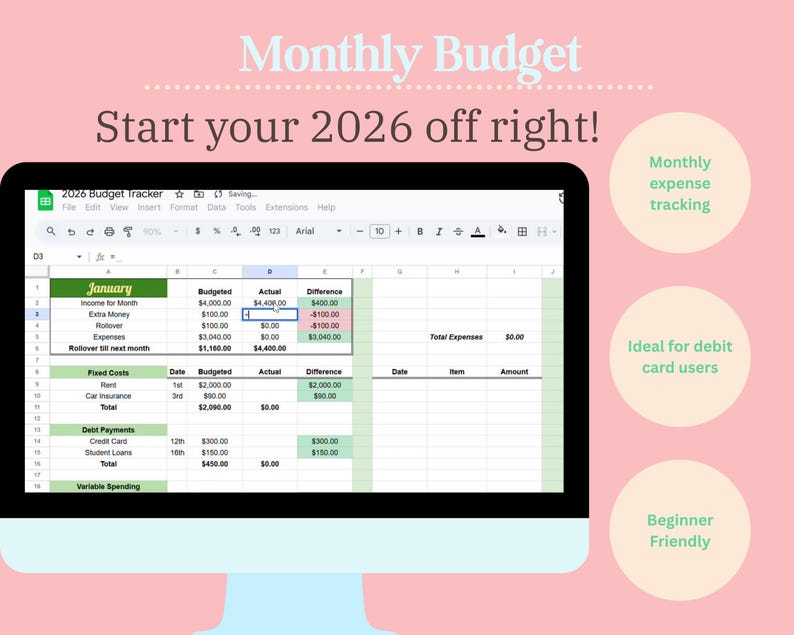
2026 Simple Beginner Digital Budget Planner| Google Sheets Editable ...
How To Create A Monthly Budget (Step-by-Step For Beginners In 2026

How to Create a Monthly Budget (Step-by-Step for Beginners in 2026 ...
How To Create A Budget For 2026
How to Create a Budget for 2026
📊 Start Your Financial Journey
Take control of your money and build lasting wealth
✓ Budgeting | ✓ Investing | ✓ Wealth Building